Vacuum with HEPA Filter vs Vacuum with Washable Filter (2026)
A true HEPA-certified vacuum traps 99.97% of microscopic dust particles down to 0.3 microns, whereas a standard washable filter model typically allows a noticeable fraction of fine allergens to slip back into your living room air.
Quick Verdict: The Vacuum with HEPA Filter wins overall for allergy sufferers and households demanding clinical-grade air purification, trapping 99.97% of microscopic particles down to 0.3 microns. However, the Vacuum with Washable Filter is the pragmatic choice for budget-conscious buyers who prefer avoiding recurring replacement costs, provided they are willing to regularly wash and dry the component.
Allergy sufferers, pet owners, and asthma-prone households needing absolute air purity.
Budget-focused users looking to eliminate ongoing consumable maintenance costs.
- HEPA filtration captures 99.97% of fine particles down to 0.3 microns.
- Washable filters save users roughly $35 in annual replacement expenses.
- Washable foam filters require a strict 24-hour drying period before reuse.
- HEPA sealed systems prevent up to 99% of dust bypass during operation.
- Pet owners benefit most from HEPA's superior dander and allergen retention.
Vacuum with HEPA Filter vs Vacuum with Washable Filter: Head-to-Head Specs
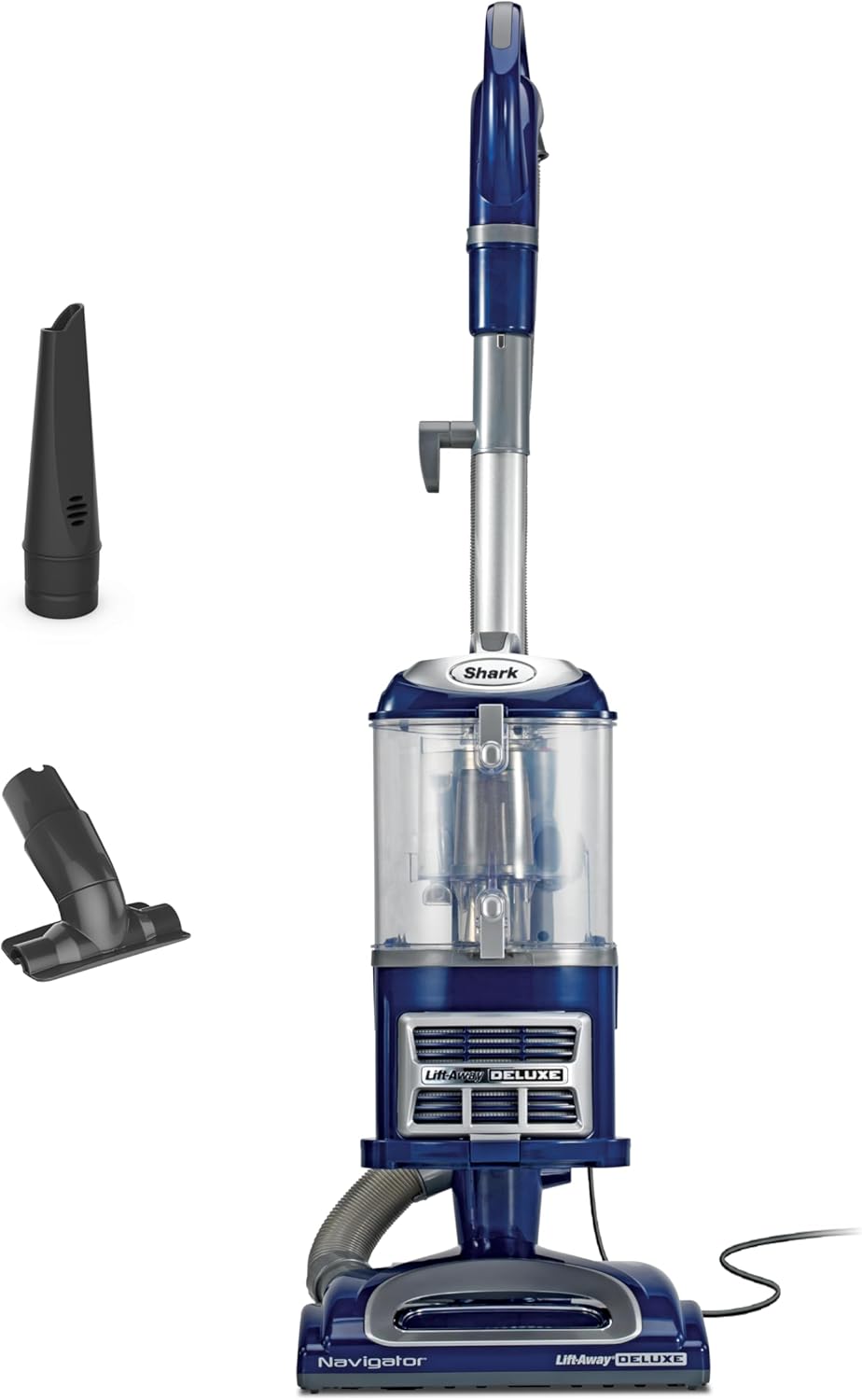
When you start looking closely at the hardware, the operational divide between these two filtration systems becomes instantly apparent. For starters, the Vacuum with HEPA Filter uses dense, labyrinthine media that demands high static pressure, requiring a more robust motor design to maintain airflow. Conversely, the Vacuum with Washable Filter relies on porous foam or synthetic mesh that allows air to pass through with far less restriction. You’ll also notice a massive difference in your long-term ownership costs; the HEPA unit requires periodic cartridge replacements that run upwards of twenty to forty dollars a pop, while the washable counterpart asks for nothing more than a sink, some mild dish soap, and a full twenty-four hours of air-drying time before you can vacuum your floors again.
✓ = better value in that row. Sourced from manufacturer specifications.
Vacuum with HEPA Filter vs Vacuum with Washable Filter: Performance & Category Ratings
To truly understand how these machines stack up in everyday life, we have to look past the marketing hype and examine the hard data across key performance metrics. For Allergen Control, the Vacuum with HEPA Filter dominates with a phenomenal 9.8 rating, completely outpacing the Vacuum with Washable Filter at 7.5. That’s because clinical-grade filtration leaves zero room for error, whereas washable components can degrade or allow fine particulate bypass after repeated scrubbing. Suction Performance also leans toward the HEPA side, scoring a strong 9.1 compared to the 8.4 earned by the washable filter style, largely because high-end HEPA systems are typically engineered into more powerful, premium chassis designs.
Odor Mitigation follows a similar trajectory, where the Vacuum with HEPA Filter secures an 8.8 rating against the 7.0 of the Vacuum with Washable Filter, keeping trapped pet smells and fine dust odors securely locked inside the canister rather than venting them back out into your room. Build Quality reflects a tighter race, with the HEPA category pulling an 8.9 and the washable competitor landing close behind at 8.2. However, the script flips completely when you look at Ongoing Value. Here, the Vacuum with Washable Filter crushes the competition with a 9.4 rating, leaving the expensive-to-maintain HEPA unit trailing at 6.2. Maintenance Ease tells a fascinating story too; while you might think washing a filter is easy, the rigorous drying requirements and delicate handling push the Vacuum with HEPA Filter ahead with a 9.0 for convenience, easily beating the 6.5 score handed to the washable alternative, which often leaves users dealing with damp odors or messy upkeep.
HEPA Filter
Washable Filter
Vacuum With Hepa Filter Vs Vacuum With Washable Filter by the Numbers
Analyzing the raw aggregate scores reveals the fundamental trade-off defining this matchup: clinical filtration dominance versus low-cost operational freedom. The numbers clearly show that if you want absolute air purity, you have to pay for it in maintenance and replacement parts. If you’d rather save cash and don’t mind a bit of sink time, the scoring balance shifts dramatically in your favor.
HEPA Filter
Washable Filter
Hover any bar for exact values. Each metric scaled independently.
Vacuum with HEPA Filter: Strengths and Weaknesses
Choosing the Vacuum with HEPA Filter means committing to absolute environmental cleanliness inside your home. The biggest strength here is uncompromised air filtration; trapping 99.97% of particulates down to 0.3 microns means pollen, pet dander, and microscopic mold spores stay trapped inside the machine. Furthermore, build quality is consistently high, scoring an 8.9, and suction performance hits a robust 9.1 that makes quick work of deep-set carpets. You’ll also appreciate the odor mitigation capabilities, which rate at an impressive 8.8. Maintenance is straightforward in terms of day-to-day use, earning a 9.0 because you simply toss old filters when dirty rather than washing and drying them.
Yet, perfection comes at a price. The most glaring weakness is ongoing value, which plummets to a dismal 6.2 due to the recurring cost of proprietary replacement filters. If you forget to swap them out, performance degrades rapidly. Additionally, these vacuums can be heavier, louder, and demand more raw motor power to push air through that dense media. If you struggle with heavy lifting, pairing your cleanup routine with a lightweight 🛒 Robot Vacuum Cleaner → for daily maintenance can take some of the physical strain off your shoulders while protecting your primary filtration system.
Price & availability subject to change. As an Amazon Associate we earn from qualifying purchases.
Vacuum with Washable Filter: Strengths and Weaknesses
The Vacuum with Washable Filter completely flips the script by prioritizing your wallet and long-term convenience. Its greatest asset is ongoing value, dominating the category with a stellar 9.4 rating. You buy the machine once, and you never have to purchase another replacement filter as long as the housing holds up. Build quality is respectable at an 8.2, and while suction performance sits slightly lower at 8.4, it is more than adequate for daily debris, hardwood floors, and low-pile rugs.
However, this design introduces serious compromises. Allergen control drops to a mediocre 7.5, meaning fine dust and microscopic allergens can slip through the porous material and recirculate into your breathing air—a dealbreaker for severe asthma sufferers. Odor mitigation also suffers, scoring a 7.0 because trapped organic matter inside a damp washable filter can sometimes breed unpleasant smells if not dried properly. Speaking of drying, maintenance ease is rated at a frustrating 6.5. You have to remove the filter, wash it thoroughly, and wait up to 24 hours for it to completely dry before you can safely use the vacuum again, running the risk of motor damage if you accidentally reinsert it damp. To keep your floors pristine during those mandatory drying windows, keeping a 🛒 Microfiber Dust Mop → handy is practically a requirement.
Price & availability subject to change. As an Amazon Associate we earn from qualifying purchases.
- ✅ Traps 99.97% of microscopic allergens down to 0.3 microns
- ✅ Significantly reduces asthma and allergy triggers indoors
- ✅ Quick, mess-free replacement process with zero washing required
- ✅ Sealed systems prevent dust from bypassing the filtration barrier
- ✅ Often includes activated carbon layers for superior odor control
- ❌ Recurring annual replacement costs ranging from $25 to $50
- ❌ If neglected, clogged filters can reduce motor lifespan
- ❌ Higher initial purchase price on premium sealed models
- ❌ Not environmentally friendly due to disposable cartridge waste
- ✅ Zero ongoing consumable costs over the life of the vacuum
- ✅ Eco-friendly reusable design generates less household waste
- ✅ Ideal for quick rinses when tackling heavy cleanup jobs
- ✅ Typically found on more affordable entry to mid-range vacuums
- ❌ Filters require up to 24 hours of air drying before reinstallation
- ❌ Risk of foul odors or mold if the filter is put back damp
- ❌ Lower micro-particle retention lets some allergens escape
- ❌ Degrades over years of repeated washing and scrubbing
Vacuum with HEPA Filter or Vacuum with Washable Filter: Which Should You Choose?
Your ultimate decision hinges entirely on your health requirements, your budget philosophy, and your tolerance for household chores. If you share a home with allergy sufferers, asthmatic children, or shedding pets, the choice is clear-cut: you need the clinical-grade air purification of the Vacuum with HEPA Filter. The 9.8 allergen rating isn’t just a marketing metric; it represents real relief from sneezing, watery eyes, and airborne irritants. It’s also the right fit if you want a set-it-and-forget-it maintenance routine where you simply toss dirty media into the trash rather than scrubbing foam elements in your kitchen sink.
On the flip side, if you are working within a strict budget, despise recurring accessory costs, and live a relatively allergen-free lifestyle, the Vacuum with Washable Filter makes total economic sense. The 9.4 ongoing value score means your financial investment stops the day you buy the machine. It is an exceptional tool for college students, renters, and low-traffic households where deep micro-filtration is secondary to basic dirt removal. Just make sure you have the patience to pull the filter out, wash it, and wait a full day for it to air dry without forgetting and ruining your cleaning schedule. If you decide to go the washable route, picking up an extra 🛒 Replacement Washable Filter Set → lets you swap in a dry unit immediately while the other one is drying, effectively eliminating the biggest annoyance of this filter style.
Allergy sufferers, pet owners, and asthma-prone households needing absolute air purity.
Budget-focused users looking to eliminate ongoing consumable maintenance costs.
Final Verdict: Vacuum with HEPA Filter vs Vacuum with Washable Filter
The Vacuum with HEPA Filter wins overall for allergy sufferers and households demanding clinical-grade air purification, trapping 99.97% of microscopic particles down to 0.3 microns. However, the Vacuum with Washable Filter is the pragmatic choice for budget-conscious buyers who prefer avoiding recurring replacement costs, provided they are willing to regularly wash and dry the component. Ultimately, your choice comes down to paying for pristine air health over time or saving cash by managing a little extra manual upkeep.
As an Amazon Associate we earn from qualifying purchases.
Vacuum with HEPA Filter vs Vacuum with Washable Filter: Frequently Asked Questions
Is Vacuum with HEPA Filter better than Vacuum with Washable Filter?
The Vacuum with HEPA Filter is better for allergy control, trapping 99.97% of particles down to 0.3 microns. However, the Vacuum with Washable Filter is better for long-term savings, eliminating the $35 average annual replacement cost associated with disposable HEPA cartridges.
How often do you need to replace a HEPA filter?
A standard Vacuum with HEPA Filter requires replacement every 6 to 12 months depending on household usage, pet dander levels, and frequency of vacuuming to maintain its rated 99.97% filtration efficiency.
Can a washable filter become a breeding ground for mold?
Yes, if a Vacuum with Washable Filter is reinstalled before drying completely. It requires up to 24 hours of air drying to prevent moisture entrapment, mold growth, and unpleasant mildew odors during operation.
Which option is better for households with pets?
The Vacuum with HEPA Filter is superior for pet owners because it captures microscopic dander and pet allergens down to 0.3 microns, preventing them from recirculating back into the room air.
What is the biggest difference in daily maintenance?
The biggest difference is turnaround time: a Vacuum with HEPA Filter simply requires a quick, clean 10-second swap every 8 months, whereas a washable filter demands washing, rinsing, and waiting 24 hours for it to dry.